
Branding Integrated Architecture and Interior Design Guide
Branding-Integrated Architecture and Interior Design: A Complete Guide for Businesses in India
Every business communicates something the moment a visitor walks through its door — even before a single word is spoken. The layout, the materials, the lighting, the way a reception area feels: all of it either supports what a brand stands for, or quietly works against it. This is the idea behind branding-integrated architecture and interior design — a design approach where a space is not just built to function, but built to express identity.
For business owners, hoteliers, clinic operators, and homeowners working with an architect in Pune or an interior designer in Pune, understanding this concept can change how a project is briefed, budgeted, and executed. This guide breaks down what branding-integrated design actually means, where it applies, and how to approach it — whether you're building new, renovating, or expanding.
- architect in Bhopal or an interior designer in Indore
What Is Branding-Integrated Architecture and Interior Design?
Branding-integrated architecture and interior design is the practice of designing a physical space so that its layout, materials, colors, lighting, and details consistently reflect an organization's identity, values, and positioning — the same way a logo or website does.
In simple terms, it treats space as a communication tool, not just a container for activity. A hospital designed this way doesn't just meet clinical requirements — it also communicates calm and trust. A boutique hotel doesn't just provide rooms — it tells a story through its lobby, its material palette, and its signage.
This differs from a purely "aesthetic-first" approach, where design decisions are made based on trends or personal taste without connecting them back to what the brand or business is trying to communicate.
How It Differs From Conventional Design
Aspect | Conventional Design | Branding-Integrated Design |
Starting point | Function and aesthetics | Brand identity, function, and aesthetics together |
Material selection | Based on cost and trend | Based on brand tone (premium, minimal, warm, clinical, etc.) |
Color palette | General preference | Derived from brand guidelines or intended emotional response |
Signage & wayfinding | Added at the end | Planned from the concept stage |
Client outcome | A functional, good-looking space | A space that reinforces trust, recall, and business goals |
Why Branding-Integrated Design Matters for Businesses in Bhopal
Bhopal's commercial and hospitality landscape has grown rapidly — from boutique cafes and clinics to training institutes, hotels, and gated residential communities. In a market where multiple businesses often compete within the same locality, the physical space itself becomes a differentiator.
A well-integrated design helps a business:
- Build immediate credibility with first-time visitors
- Create a consistent experience across every touchpoint — signage, seating, lighting, and layout
- Support pricing positioning (a well-designed clinic or hotel can justify premium rates)
- Improve visitor flow and reduce confusion in larger commercial or healthcare spaces
- Strengthen recall — visitors remember spaces that feel distinct and intentional
This is particularly relevant for sectors like hospitality, healthcare, and retail, where the physical experience directly influences a customer's decision to return or recommend.
Core Elements of Branding-Integrated Design
Spatial Storytelling
Every space has a sequence — an entry point, a journey through it, and a destination. Branding-integrated design plans this sequence deliberately, so that each stage reveals something about the brand. A wellness clinic, for instance, might move a visitor from a calm, softly lit reception into brighter, more clinical treatment areas — mirroring a journey from comfort to care.
Color, Material & Texture as Brand Language
Materials communicate before words do. Natural wood and stone often signal warmth and sustainability; polished metal and glass suggest modernity and efficiency; muted, matte tones convey calm, while bold colors suggest energy. An experienced architecture consultancy will select materials not just for durability and cost, but for the message they send.
Signage & Wayfinding
Signage is often treated as an afterthought, added once construction is complete. In branding-integrated projects, wayfinding is planned alongside the architectural layout — ensuring signage fonts, colors, and placement feel like a natural extension of the space rather than a sticker applied to it.
Lighting as Brand Expression
Lighting affects mood more than almost any other design element. Warm, layered lighting creates intimacy (ideal for hospitality and holiday homes), while cooler, brighter lighting supports focus and hygiene perception (important in healthcare and educational spaces).
Branding-Integrated Design Across Different Sectors
Different industries require different design languages. Below is how branding-integrated thinking applies across common project types.
Hospitality Design
In hospitality design, the goal is to create a memorable, immersive guest experience from the moment someone enters the property. Lobby design, room aesthetics, restaurant ambience, and outdoor spaces should all reflect a unified theme — whether that's heritage, luxury minimalism, or eco-tourism. Guests increasingly choose accommodations based on visual identity as much as amenities, making design a direct driver of bookings and reviews.
Actionable tip: Choose one strong design "anchor" — a material, color, or motif — and repeat it subtly across the lobby, rooms, and dining areas to create a cohesive identity guests remember.
Healthcare Architecture
Healthcare architecture carries the added responsibility of balancing brand experience with clinical function, hygiene standards, and patient comfort. A well-designed hospital or clinic reduces patient anxiety through calming color palettes, natural light, and clear wayfinding, while still meeting regulatory and safety requirements.
Actionable tip: Use color-coded zones (for departments or floors) that double as both a wayfinding tool and a subtle brand signature.
Holiday Home Architecture
For a holiday home architect, the brief often centers on creating a retreat-like feeling — a space that feels distinctly different from the owner's everyday home. Branding-integrated thinking here means designing around a consistent "escape" theme, whether that's a rustic countryside feel, a contemporary minimalist retreat, or a nature-immersed farmhouse aesthetic.
Actionable tip: Extend the design language outdoors — matching material palettes between interiors and landscaping creates a seamless, resort-like feel.
Commercial & Retail Spaces
Retail and commercial spaces rely heavily on branding-integrated design to influence customer behavior — from how long people browse to how premium a product feels. Layout, lighting, and even scent are often coordinated with brand strategy.
Actionable tip: Design the entry zone with intent — the first 10 feet of a store or office set the tone for the entire visit.
Educational & Institutional Spaces
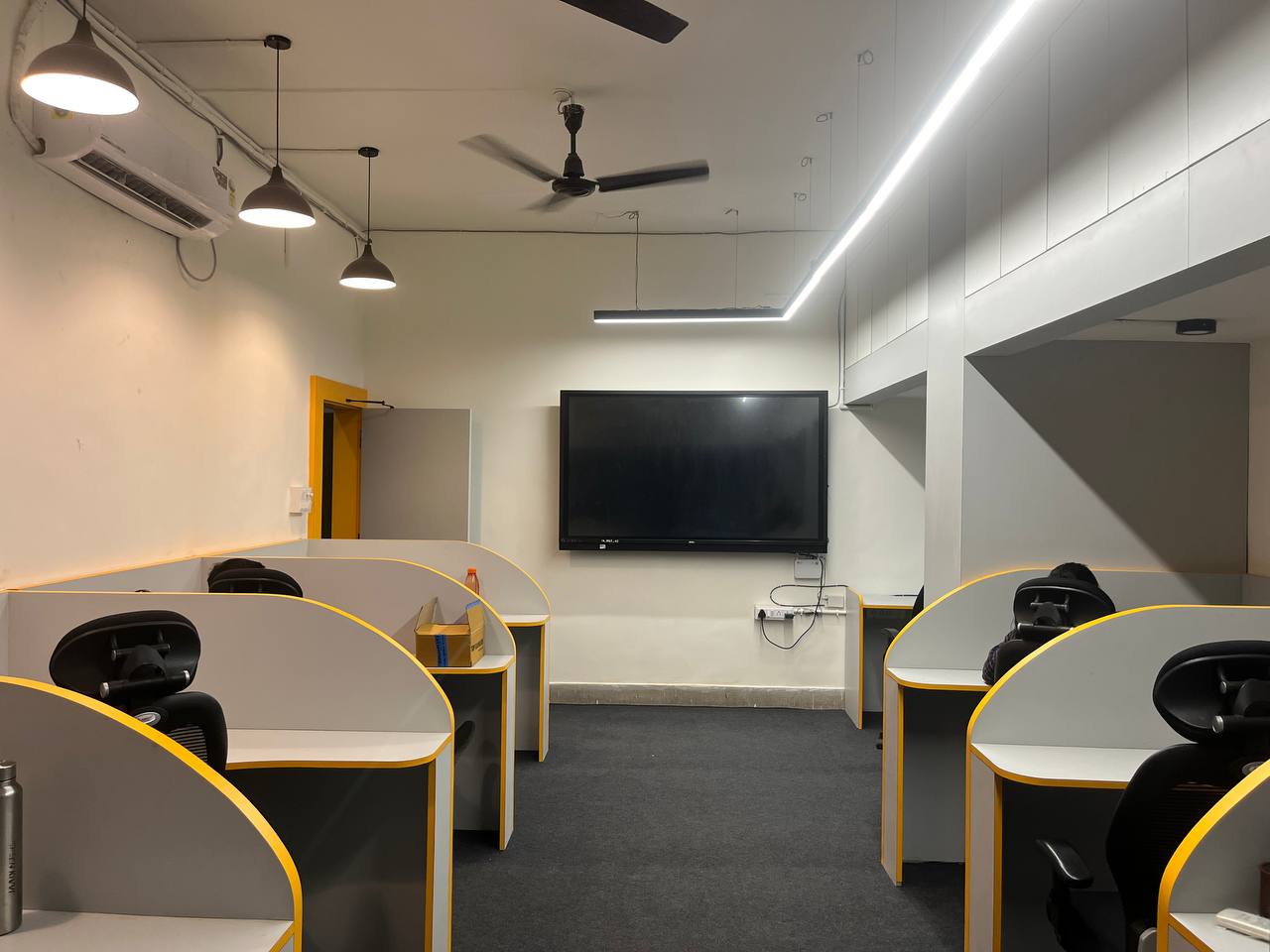
Coaching centers, training institutes, and schools benefit from branding-integrated design through consistent color schemes, clear signage, and welcoming common areas that reflect the institution's values and reputation.
Branding-Integrated Design vs Traditional Design: A Quick Comparison
Factor | Traditional Approach | Branding-Integrated Approach |
Design brief | Focused on layout and budget | Includes brand values, tone, and target audience |
Consistency | May vary across different areas of the space | Consistent visual language throughout |
Long-term value | Requires frequent redesigns to stay relevant | Built around timeless brand identity, ages better |
Marketing impact | Indirect | Directly supports brand recall and positioning |
Best suited for | Purely functional spaces | Hospitality, healthcare, retail, education, homes with identity-driven goals |
Architecture Consultancy vs Construction Consultancy: What's the Difference?
Business owners often confuse these two services. Understanding the distinction helps in briefing the right professional at the right stage.
Service | Architecture Consultancy | Construction Consultancy |
Primary focus | Design concept, space planning, branding integration | Execution, project management, on-site quality control |
Involved from | Concept and design stage | Construction and execution stage |
Key deliverables | Drawings, 3D visualizations, material specifications | Timelines, contractor coordination, cost and quality monitoring |
When to engage | Before construction begins | Alongside or after design finalization |
Ideal for | New builds, renovations, brand-led interiors | Large-scale builds needing structured execution oversight |
Many projects benefit from engaging both — an architecture consultancy to shape the vision, and a construction consultancy (or a firm offering both services) to ensure it's executed faithfully, on time, and within budget.
Renovation Projects: Rebranding Through Redesign
Not every branding-integrated project starts from scratch. Renovation is often the most practical way for an established business to refresh its identity without relocating or rebuilding entirely.
A thoughtful renovation can:
- Modernize outdated interiors while retaining structural elements
- Introduce updated brand colors, signage, and materials
- Improve functionality — better lighting, layout, or accessibility
- Signal growth or repositioning to existing customers
Actionable tip: When renovating, audit your current space against your brand guidelines first — identify where the physical space no longer matches how you want to be perceived, and prioritize those areas.
A Step-by-Step Checklist for a Branding-Integrated Design Project
Use this checklist when briefing an architect and interior designer for a branding-led project:
- [ ] Define your brand's core values and the emotion you want visitors to feel
- [ ] Identify your target audience and how they should experience the space
- [ ] Audit existing brand assets (logo, color palette, typography) for design cues
- [ ] Choose 2–3 anchor materials or colors to repeat throughout the space
- [ ] Plan signage and wayfinding at the concept stage, not after construction
- [ ] Align lighting design with the intended mood of each zone
- [ ] Ensure consistency across every touchpoint — entrance, interiors, and outdoor areas
- [ ] Factor in local building codes and sector-specific compliance (especially for healthcare and hospitality)
- [ ] Set a realistic budget that accounts for both design and quality execution
- [ ] Choose a design partner experienced in your specific sector (hospitality, healthcare, residential, etc.)
Common Mistakes Businesses Make With Branding and Design
- Treating branding and interior design as separate projects — leading to a mismatch between how a business markets itself and how its physical space feels.
- Adding signage as an afterthought — resulting in poorly placed or visually inconsistent wayfinding.
- Choosing trends over identity — designing a space that looks good in isolation but doesn't reflect the brand's actual positioning.
- Skipping a proper design brief — jumping straight to material selection without defining the emotional and functional goals of the space.
- Underestimating renovation potential — assuming a full rebuild is necessary when a well-planned renovation could achieve the same brand refresh at a lower cost.
How to Choose an Architect or Interior Designer in Bhopal for Branding-Integrated Projects
When evaluating an architect in Bhopal or interior designer in Bhopal for a branding-led project, consider:
- Portfolio relevance — have they worked on similar sectors (hospitality, healthcare, retail, residential)?
- Process transparency — do they start with a brand and audience brief, or jump straight to layouts?
- Cross-disciplinary capability — can they handle both architecture consultancy and interior design under one process, ensuring consistency?
- Local knowledge — familiarity with Bhopal's building regulations, climate considerations, and material availability
- Execution support — do they offer construction consultancy or project management, or only design drawings?
Frequently Asked Questions
What is branding-integrated architecture and interior design? It's a design approach where the layout, materials, lighting, and details of a space are planned to reflect a business's brand identity and values, rather than being designed purely for function or aesthetics.
Is branding-integrated design only relevant for large businesses? No. Even small clinics, cafes, coaching centers, and holiday homes benefit from a consistent design language — it helps smaller businesses stand out in competitive markets like Bhopal, Indore, and Pune.
How is this different from just hiring an interior designer? A general interior design brief usually focuses on aesthetics and function. Branding-integrated design specifically ties every design decision back to brand identity, audience perception, and long-term positioning.
Does branding-integrated design cost more than traditional design? Not necessarily. The cost depends on material choices and project scope, not the design philosophy itself. In fact, a well-planned branding-integrated approach can reduce costly redesigns later.
Can an existing space be redesigned to be branding-integrated, or does it require new construction? Most projects don't require new construction. A well-planned renovation — updating materials, signage, lighting, and layout — can achieve a strong branding-integrated result.
What sectors benefit most from this approach? Hospitality, healthcare, retail, education, and residential projects like holiday homes see the most measurable benefit, since these spaces directly shape how visitors, patients, guests, or students perceive the brand.
Final Thoughts
Branding-integrated architecture and interior design isn't a passing trend — it's a shift toward treating physical spaces as an active part of how a business communicates. Whether it's a hospitality project designed to create memorable guest experiences, a healthcare facility built to balance function with comfort, or a holiday home meant to feel like a true retreat, the underlying principle stays the same: design should reflect identity, not just serve function.
For businesses, hoteliers, healthcare operators, and homeowners in Bhopal exploring a new build, renovation, or brand refresh, working with a design partner who understands both architecture and branding can make the difference between a space that simply exists and one that actively works for your business.
At Atic Architects, we specialize in branding-integrated architecture, interior design, and construction consultancy for hospitality, healthcare, commercial, educational, and residential projects across Bhopal, Indore, and Pune. If you're planning a new project or considering a renovation, get in touch with us for a consultation — let's design a space that truly represents who you are.